- As US income inequality reaches a record high, lots of question how blockchain innovation and bitcoin fits in the equation.
- Digital currencies have the possible to bridge the global wealth gap, hedge-fund chief Mark Yusko told Business Insider. Establishing areas throughout Southeast Asia, Latin America, and Sub-Saharan Africa have actually had exposure to blockchain innovation because 2017. Charity companies that use cryptocurrencies are concentrated on assisting people develop credit, access loans without a savings account, and receive bitcoin dollars that develop into resources like tidy water.
- This post is part of Business Insider’s ongoing series on Better Capitalism.
- Visit Business Insider’s homepage for more stories.The strange nature of bitcoin has led to typical misperceptions about its use, with many in the mainstream relegating it to the realm of players and hackers. The history of cryptocurrency reveals
quite a different function: Bitcoin was in fact created with the objective of bridging the global wealth space. The domain “bitcoin.org ” was signed up online in the middle of the Great Recession of 2008. Quickly after, the supposed and mysterious developer of bitcoin, Satoshi Nakamoto, released declarations explaining the electronic cash-to-cash system was established as a method to eliminate central currency manipulation. Nonetheless, wealth inequality has actually become so extreme that lots of in the lower and middle classes can’t afford to own bitcoin dollars. Inequality in the United States has reached a record high given that the United States Census began tracking it 5 years earlier, with the federal information showing evidence of a shrinking middle class. Though the worldwide economy continues to face substantial pressures, experts state the growing popularity of bitcoin might assist return it to its designated use: fighting income inequality. How bitcoin is assisting to strengthen the middle class What’s special about bitcoin is that it functions on another network, one that’s a lot more
transparent than a corporate bank. Every bitcoin transaction is constantly tape-recorded in its public archive– the blockchain. Blockchain is the record of all exchanging cryptocurrencies, essentially digital cash, between two celebrations. It is an independent, shared encrypted database of cash entries– believe
of it as a shared Google Doc. Bitcoin is one type of cryptocurrency among others like ripple, litecoin, and ethereum. Mark Yusko, the CEO and CIO of financial investment advisory business Morgan Creek Capital Management,
informed Business Insider that he thinks the blockchain network and its essential growth can be leveraged to relieve earnings inequality. Yusko is known to be a long time cryptocurrency bull, drawing investors toward more exposure with bitcoin. “The government and the elites want to have all the wealth, so they produce inflation and the wealth flows to the top
,”he said.”And that’s why we have the best wealth inequality in the history of humanity. Bitcoin assists fix that due to the fact that now we can pull out as an owner of assets from that fiat system. “The hedge-fund chief described among the primary financial problems Americans face today is not owning any or enough assets like genuine estate property and stocks. Not having cash to invest in markets and living from paycheck to paycheck is a major problem for the bad and middle class.
There are more opportunities to acquire assets through blockchain innovation. For example, bitcoin is now accepted in some property markets, where investors can own parts of a structure if they can’t afford the entire system, reports CNBC. This brand-new service model can assist distribute wealth and broaden the investor market. It can likewise open possibilities of owning residential or commercial property throughout global borders.
Presenting financial literacy in establishing countries
While motivating individuals to own properties is a method to eliminate income inequality in the United States, establishing nations need a various strategy.
As more individuals around the globe own smart devices, bitcoin has the potential to reach much more users in the 2020s. Since cryptocurrency is just transferred electronically, having one of the most standard web connection immediately assists anyone gain access to and trade the currency.
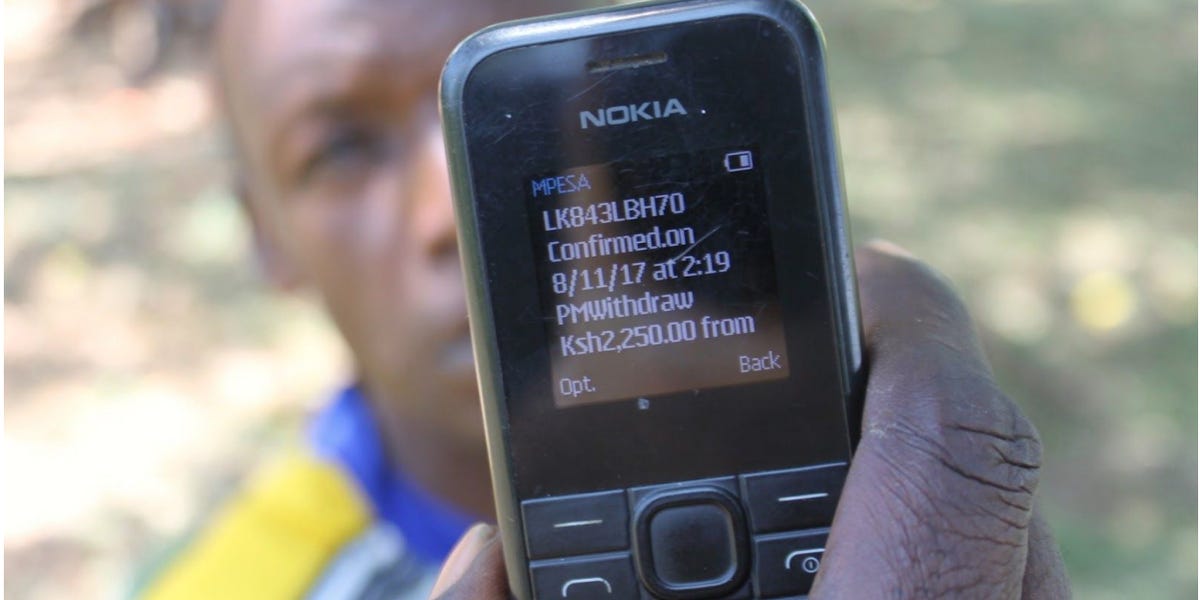
Attention toward broadening the crypto area in developing nations initially emerged in 2017, when fintech expert Anton Dzyatkovsky cofounded MicroMoney, a money-lending app targeting Southeast Asian countries like Myanmar, Thailand, and the Philippines that offers services to help individuals develop a credit history on the blockchain. There are 1.7 billion people around the world who do not have bank accounts and can’t access loads, according to The World Bank. Bitcoin has the prospective to reach this demographic and supply those monetary services.”We take pride in the reality that we can assist individuals who have no access to the classical, but out-of-date centralized economy of the bank, ” Dzyatkovsky told Business Insider. Cryptocurrency is likewise making a development in Latin America, Business Insider reports. In 2018, the Venezuelan government devalued its currency by 95%due to run-away inflation, triggering more than 400,000 Venezuelans to flee from the economic collapse. After the federal government released a new cryptocurrency called petro, the leaving citizens were able to make cross-border deals without relying on paper cash. The petro is still utilized in 2019. In another case in 2017, an anonymous bitcoin millionaire passing the alias “Pine”dedicated $5 million worth of bitcoin contributions to GiveDirectly
, a company that’s running the world’s largest fundamental income experiment in Kenyan towns. The bitcoindollars went toward offering people access to clean water and sending money directly to individuals residing in poverty who are dealing with food lack, school fees, and home repair work. “If this money were to be provided to everybody, this would be an extremely great thing, “Edwin Odongo Anyango, a 30-year-old
day laborer at one of the Kenyan villages, told Business Insider.”What this money does is it creates hope. And when people have hope, they enjoy. ”
Wealth inequality has become so drastic that numerous in the lower and middle classes can’t manage to own bitcoin dollars. The global economy continues to face substantial pressures, specialists state the growing appeal of bitcoin may assist return it to its desired use: fighting income inequality. There are 1.7 billion individuals around the world who do not have bank accounts and can’t access loads, according to The World Bank.”We are happy of the reality that we can assist individuals who have no access to the classical, however outdated centralized economy of the bank, ” Dzyatkovsky informed Business Insider. Cryptocurrency is also making a breakthrough in Latin America, Business Insider reports.
Here are all the ways bitcoin could help address income inequality in the 2020s