
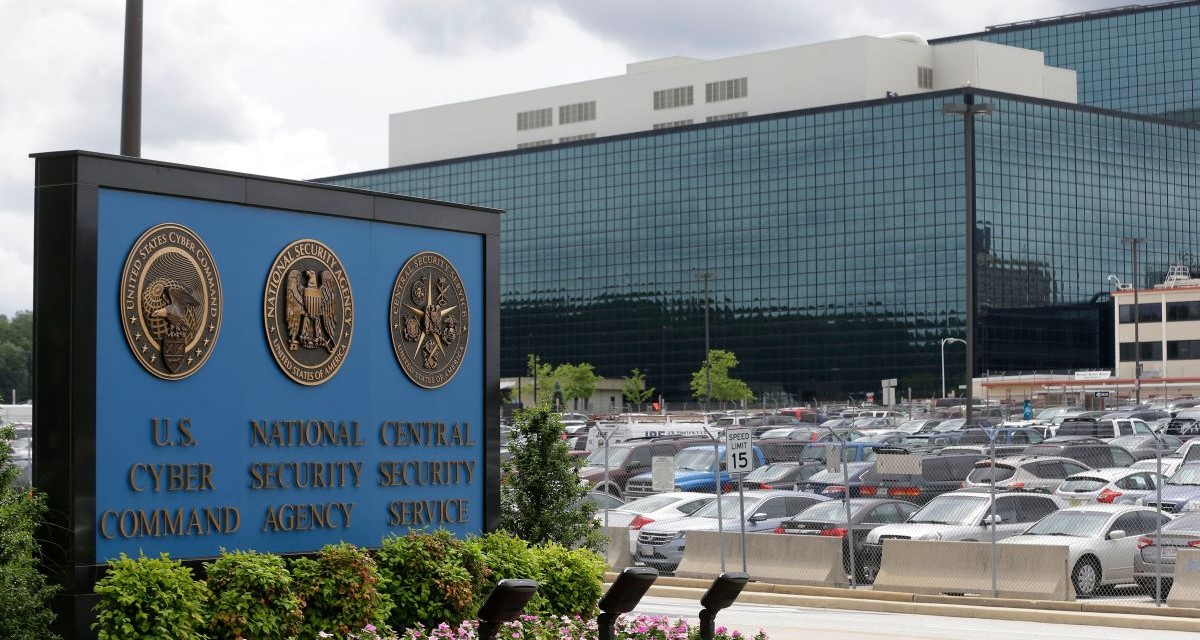
Krebs’ sources said that the vulnerability might be utilized to spoof digital signatures connected to particular software application constructs, hence permitting aggressors to fool users into thinking malware-infected programs were genuine software. The MIT Technology Review reported that this appears to be part of a shift from prior NSA practice to simply log the bug and exploit it for intelligence functions to cyber defence. “We’ve submitted vulnerabilities for a long time, however we’ve never allowed attribution, and as an outcome it’s hard for entities to trust us.
It said it had no proof that anyone had really capitalised on the vulnerability. Krebs’ sources stated that the vulnerability could be used to spoof digital signatures tied to particular software builds, thus allowing assailants to deceive users into thinking malware-infected programs were genuine software. The MIT Technology Review reported that this appears to be part of a shift from previous NSA practice to simply log the bug and exploit it for intelligence purposes to cyber defence.”We desire a new technique to sharing, to construct trust with the cybersecurity neighborhood,” Neuberger told reporters, per the MIT Technology Review. “We’ve submitted vulnerabilities for a long time, but we’ve never ever permitted attribution, and as a result it’s hard for entities to trust us.
